Why I scaled my workout after being sick
Coach Kris Perry-Tedesco • January 6, 2025
Prioritizing Health & Progress
**Why I Scaled My Workout After Being Sick: Prioritizing Health & Progress**
After a few days of being under the weather, I finally got back to the gym today for my first workout in four days. I was really excited to get moving again, but I knew I had to listen to my body and approach the workout with care. While the programmed workout was challenging and exciting—EMOM 16 (every minute on the minute) with heavy front squats on the even minutes and complex gymnastics kipping pull-ups on the odd minutes—I decided to scale it for a more controlled, gradual return to training.
Here’s why I made that decision:
1. **Recovery First, Performance Second**
After being sick, it’s important to focus on recovery, not pushing myself too hard right away. I wanted to ensure that my body had fully recovered, especially my energy levels, before jumping into heavy lifting and complex movements. The original workout called for **heavy front squats**, which is an intense movement that requires both strength and focus. Given that I hadn’t been training for a few days, I opted to go with **light front squats** instead, so I could ease back into things while still getting the benefits of the movement.
2. **Avoiding Overloading the Body**
The **complex gymnastics kipping pull-up** is an advanced movement that demands coordination, core stability, and upper body strength. Given that I hadn’t been active for a few days, I wanted to avoid putting too much strain on my shoulders and core by attempting kipping pull-ups right away. Instead, I chose to scale to a **jumping chest-to-bar** pull-up, which is a lower-impact movement that still challenges my pull-up range of motion and helps me re-establish my pull-up rhythm without overloading my muscles.
3. **Gradual Progress, Not Perfection**
Scaling doesn’t mean I’m not working hard or compromising my fitness progress—it simply means I’m being mindful of my current state and prioritizing a safe, sustainable return to my normal training routine. Scaling allows me to build back up slowly while still gaining the necessary reps and experience to make progress.
4. **Listening to My Body**
One of the most important aspects of fitness is the ability to listen to your body. After being sick, I needed to be realistic about how I felt. I wasn’t ready to jump back into the intensity of the original workout, and scaling helped me ensure that I wouldn’t overdo it or risk injury. Over time, I’ll be able to ramp up my intensity as my body adapts to the workload.
Final Thoughts: Scaling Is Part of the Process
Today’s scaled workout was a reminder that fitness is a journey, not a race. It’s okay to modify or scale workouts when necessary—it’s actually the smarter, safer choice. By taking this approach, I’m able to stay consistent with my training while prioritizing my health and recovery. The most important thing is to continue progressing, not necessarily to hit every benchmark on the first day back.
For anyone returning to training after illness, scaling workouts can be an effective way to ease back in while staying on track for long-term success. Remember, it’s about consistency and gradual improvement, not perfection on day one.
I am happy to lead by example. This is the advice I would give to someone else coming in after being sick. Do what you can with what you have at the time. There are plenty of days coming to push limits and go hard. Today was no that day for me.
Previous WODs
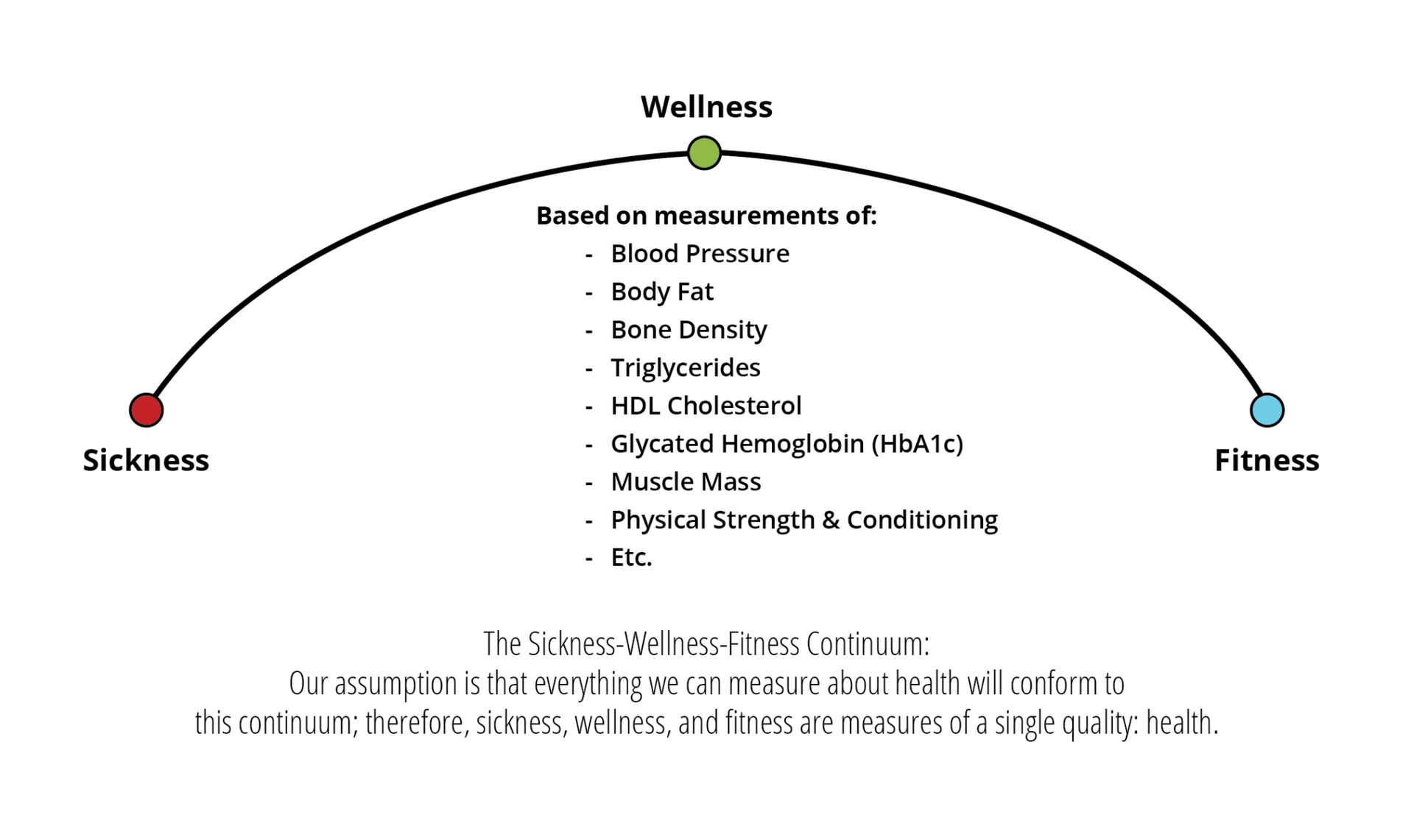
Understanding the Sickness–Wellness–Fitness Continuum
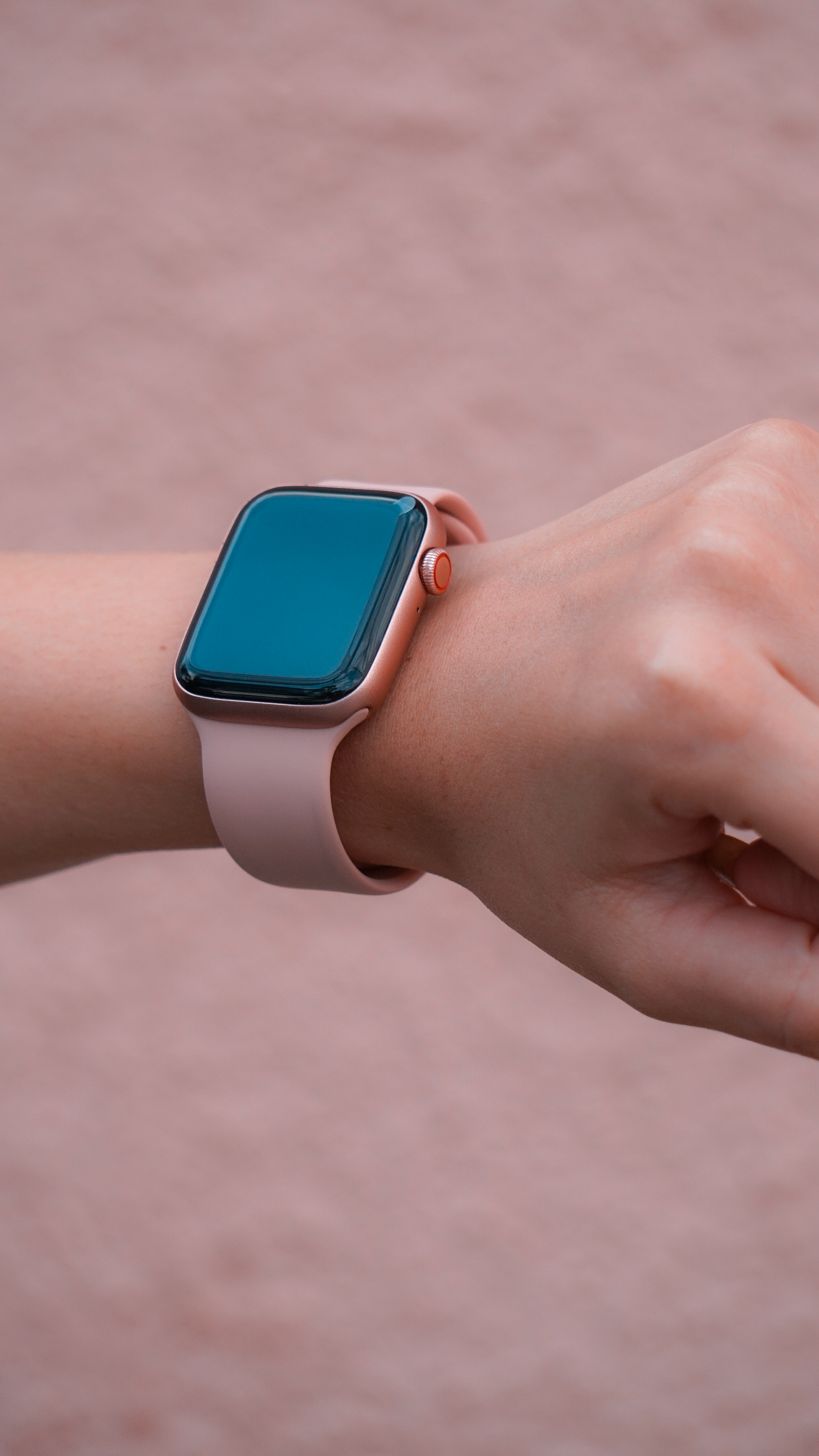
W earables Know a lot About Us
How To Get Back Into A Healthy Routine This Fall

Fitness, Nutrition & Mindset Trends
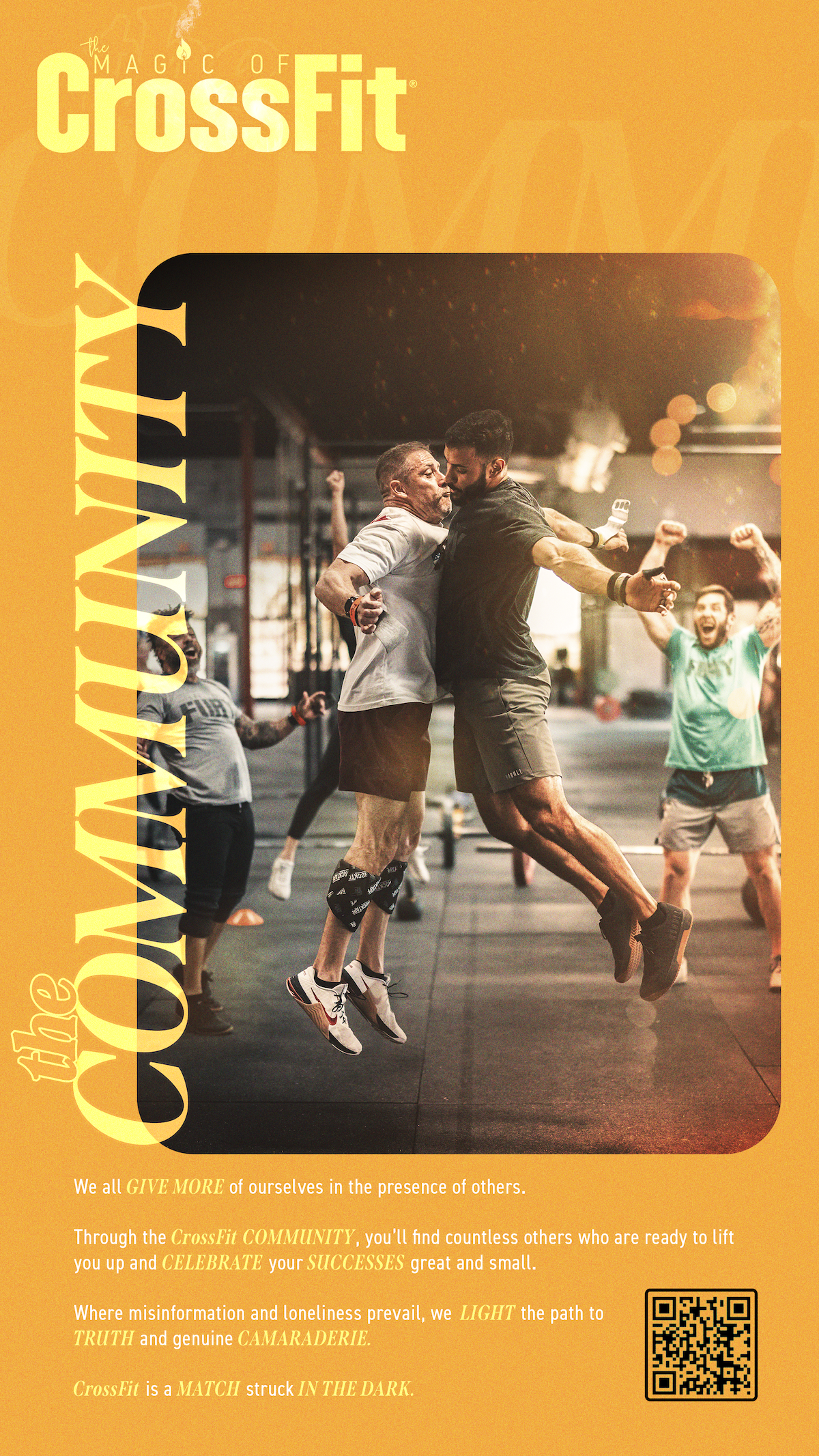
Connection is a Fundamental Human Need
Protein, Plants and Proof: Why the basics are still winning
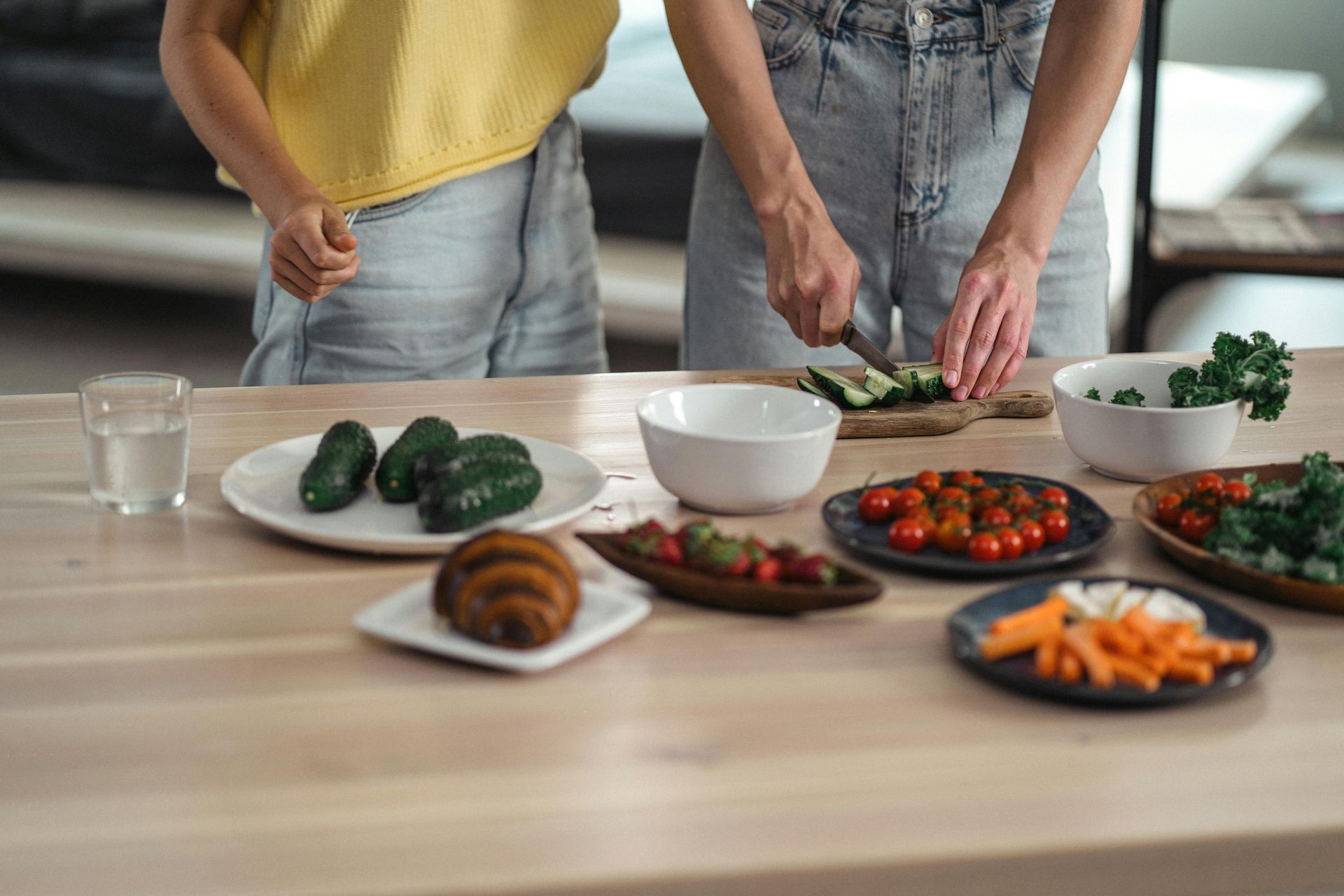
If you’re looking for a simple, sustainable way to clean up your nutrition without overthinking it, Hungryroot is a powerful strategy. You start with a quick quiz so your food actually matches your preferences. Then you choose the types of meals and groceries you want—keeping it aligned with your goals. One of the biggest wins? You can check off “no snacks,” which removes temptation before it even starts. Add in high-quality ingredients and recipes that take under 15 minutes, and you’ve eliminated the biggest barriers: time, decision fatigue, and convenience. Take control of your environment—this is how real change sticks. Get started here: https://www.hungryroot.com/r/UDOQDNC9
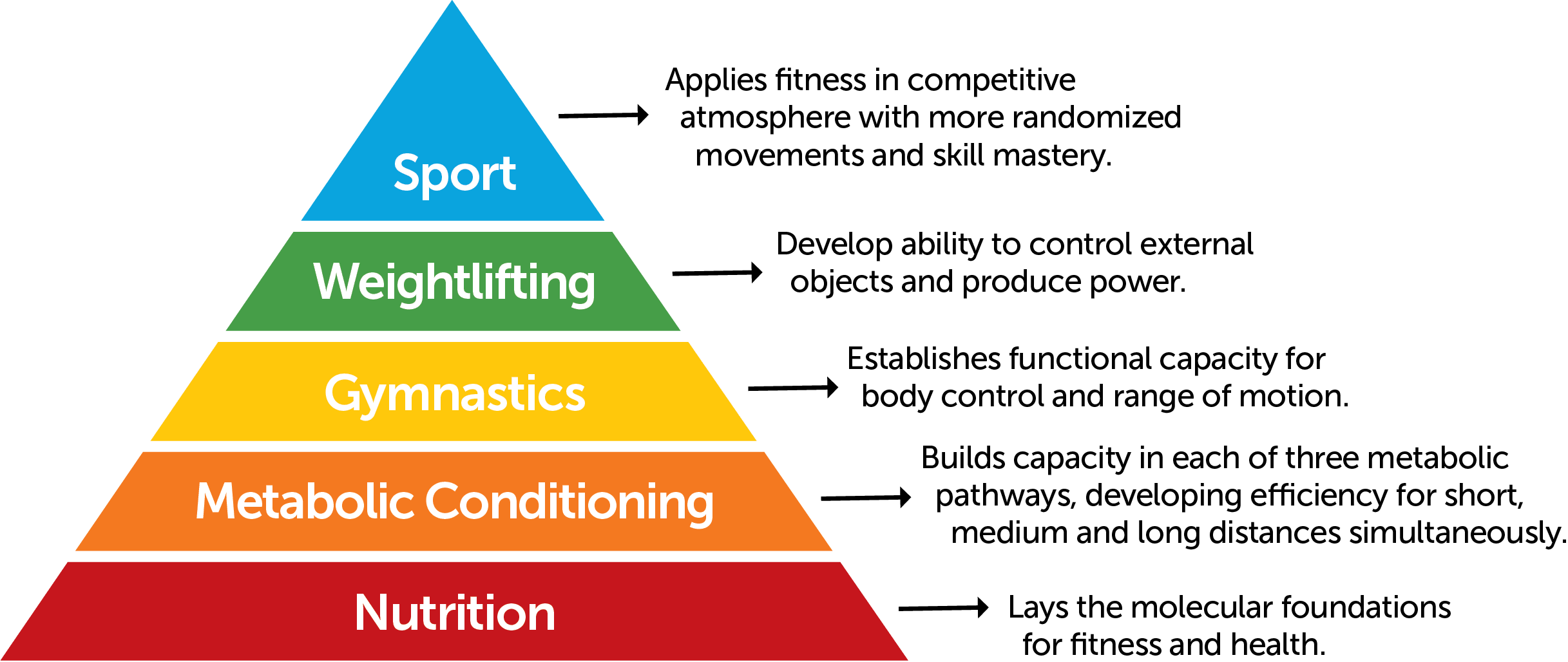
One of the things I love most about CrossFit is that it gives us real evidence—inside and outside the gym—that we are in control of how we age. Not by chasing perfection, but by consistently showing up, putting in the work, and recovering with intention. This November, my WHOOP data gave me a clear snapshot of what’s working and where I can tighten up my habits. And as a coach, I want to share this because healthy aging isn’t random. It’s trainable. It’s measurable. And it’s available to every single one of us. My Pace of Aging : Slowing Down the Clock The biggest win this month? My Pace of Aging slowed from 0.6x → 0.4x. That means my body is aging slower than expected. This lines up with what the research says: maintaining aerobic capacity and muscle mass (two things CrossFit gives us in spades) is strongly linked to slower biological aging and better long-term health. Harvard and the British Journal of Sports Medicine have both published studies showing that interval training plus strength work are two of the most powerful levers we have for longevity. We don’t age passively. We age according to what we practice. Habits Matter! Training Metrics That Matter My top activity this month was Functional Fitness —no surprise there. Here’s a quick snapshot: VO₂ Max improved to 40 509 minutes in aerobic zones (1–3) 159 minutes in high-intensity zones (4–5) Hit 10+ strain on 20 days Average sleep: 7 hrs 50 min Sleep consistency : 77% This is the blend that improves heart health, builds lean tissue, supports metabolism, and boosts energy. And the research supports this: High-intensity training improves VO₂ max, the #1 predictor of long-term cardiovascular health. Strength training reduces all-cause mortality and protects bone density and muscle mass. Basically: the CrossFit methodology works! Recovery : The Quiet Driver of Longevity This month I logged : 7 green recoveries 5 red recoveries 30 total tracked recoveries Recovery is where the adaptation happens. Green days tell me my system was primed for work. Red days tell me to adjust my intensity, walk more, hydrate, and manage stress. Healthy aging isn’t about avoiding stress—it’s about improving your capacity to recover from it. Sleep, nutrition, breathwork, sunlight, mobility… these things add up. Science says the same thing: regular physical activity + consistent sleep patterns are two of the strongest predictors of long-term cognitive and cardiovascular health. Movement Outside the Gym Still Matters I took 256,800 steps this month—down from last month—and I felt it. My resting heart rate moved from 60 → 63. Walking is one of the simplest longevity tools we have. It improves blood sugar, digestion, metabolism, stress, and overall cardiovascular health. CrossFit gives us intensity. Walking gives us the foundation. We need both. What I’m Taking Into Next Month Here’s what I’m learning as both an athlete and a coach: Aging healthfully is built on consistency, not perfection. The combination of strength training + aerobic conditioning is unbelievably powerful. Recovery habits matter as much as training habits. Small behaviors—steps, sleep, hydration—show up in long-term health markers. We can absolutely take control of how we age. CrossFit trains you for the next workout, yes. But it also trains you for the next decade. I should also note that I was sick for about 10 days during this timeframe, which definitely influenced a few of these metrics—especially my step count and overall energy output. It was a good reminder that health isn’t about avoiding setbacks; it’s about how quickly we return to our routines once we’re back on our feet. Even with that downtime, the consistency before and after those sick days still moved the needle in a positive direction. What’s Coming Next I’ll be turning this into a longer educational series on: How CrossFit improves metabolic health as we age Why VO₂ max matters more than the number on the scale Strength training after 40 Using sleep and recovery to influence biological age Training strategies for long-term health vs. short-term intensity If you want to age with strength, mobility, confidence, and purpose, stay tuned. There’s so much more to dive into. Here’s to aging like an athlete, not an accident. — Coach Kris 🏹
DISCLAIMER
This is not Legal, Medical, or Financial advice. Please consult a medical professional before starting any workout program, diet plan, or supplement protocol.
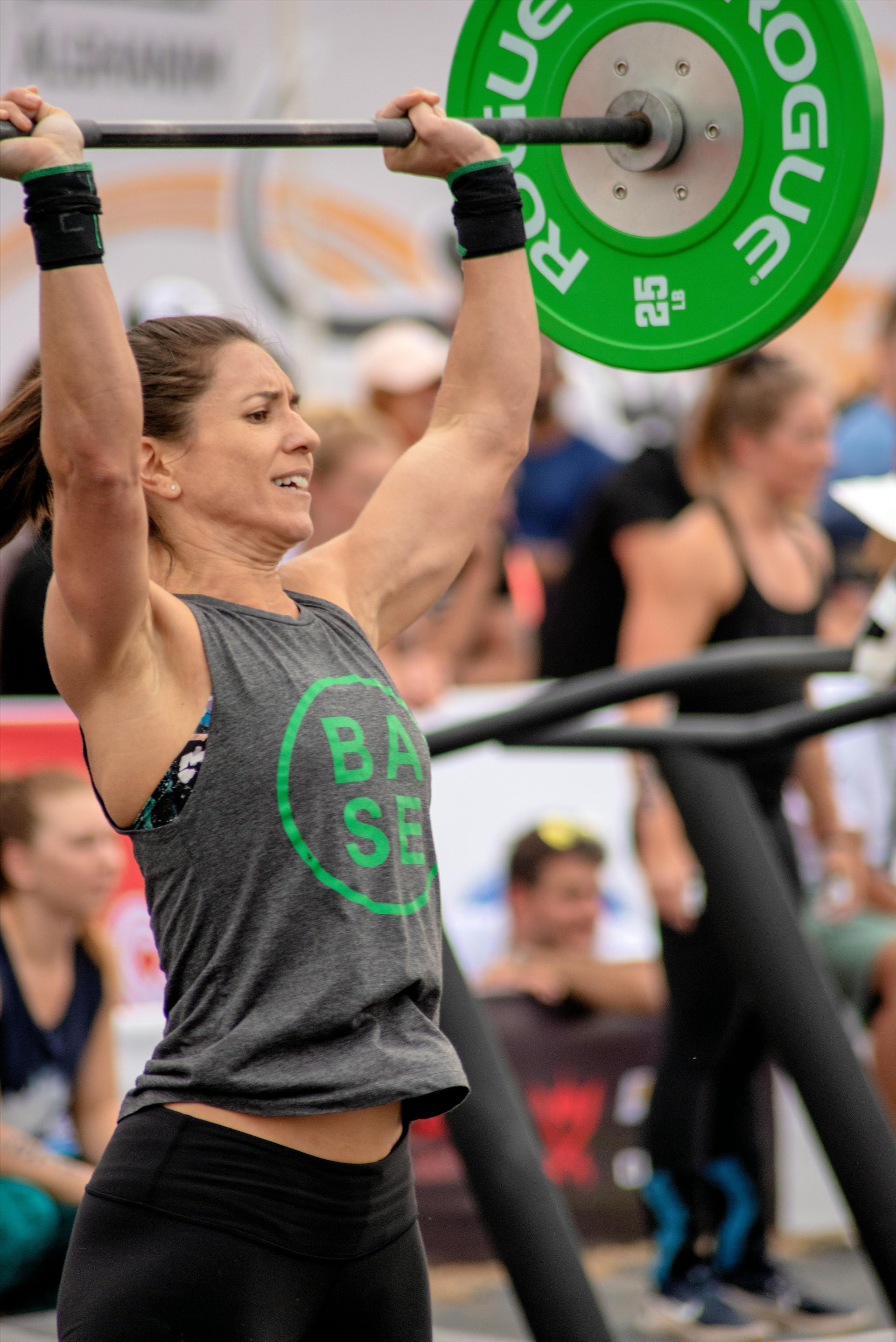
No one remembers exactly when it started, but at some point, a phrase began echoing through the gym: “Finish like it matters.” It wasn’t shouted. It wasn’t printed on a t-shirt. It was just something the community started to believe. At first, it was about the workout: Don’t sandbag the last 10 seconds. Don’t give up on that final pull up. Don’t coast through the cool-down like it’s optional. But over time, it grew into something bigger. People started living that way. They showed up not just to sweat—but to grow and learn. Not just to check the box—but to lead by example and move with intension. Not just for PRs—but for purpose. One morning, an older member who’d been quiet for months hit a 200 lb deadlift for the first time. Everyone roared. She stood there, hands shaking, and said, “I didn’t think I could still get stronger at my age.” Another member brought in his teenager—“just to try it”—and by the end of class, they were working side by side, breathing hard, laughing like teammates. Bill started cheering newcomers through their first workouts, reminding them to start with mechanics, stay consistent, and earn their intensity. He was no longer just a survivor of Uncle Pukie. He was a mentor. A movement legacy. The final rep isn’t always the heaviest. Sometimes it’s the slowest, the cleanest, or the one you help someone else finish. And in that rep—in that choice to hold the standard—you realize: This was never just about fitness. It was about showing up for your life. Every rep. Every day. Every age. Every version of yourself. And that’s the real endgame. To fuel. To move. To grow. And when it’s your turn to take the final rep— to finish like it matters. ✨ This concludes the Hollow Body Heroes Series. Your journey isn’t over. It’s just beginning.
Stop missing out
Lorem ipsum dolor sit amet, consectetur adipiscing elit, sed do eiusmod tempor incididunt ut labore et dolore magna aliqua.