A CrossFit Affiliate - More Than a Workout
What A CrossFit Affiliate Can Be
More Than a Workout: What a CrossFit Affiliate Can Really Be
If you ask someone who has never been inside a CrossFit affiliate what happens there, the answer will probably be pretty simple:
People work out.
And technically, that's true.
We lift weights. We run. We row. We learn gymnastics. We build strength and cardiovascular capacity. We sweat—a lot.
But spend enough time inside a good affiliate and you quickly realize that the workout is only part of what's happening.
A CrossFit affiliate can become a classroom.
A support system.
A place to develop confidence.
A place to practice doing difficult things.
For some people, it even becomes what sociologists call a third place—somewhere outside of home and work where people regularly gather, develop relationships, and feel a sense of belonging.
That's difficult to capture on a workout board.
But it may be one of the most valuable things we create.
You Come for the Workout. Then Something Else Happens.
Most people don't join a gym because they're searching for a third place.
They join because they want to get fitter.
Maybe they want to lose weight.
Get stronger.
Improve their health.
Feel better.
Prepare for an event.
Or simply get back into some kind of exercise routine.
Those are perfectly good reasons to walk through the door.
But then something else starts happening.
The coach learns your name.
People notice when you arrive.
Someone remembers the weight you couldn't lift three months ago.
Your wodmates cheer when you finally get your first box jump.
You notice when someone who usually attends your class hasn't been there.
Eventually, you're no longer simply attending a workout.
You're part of something.
The Affiliate Is Also a Classroom
One of the things I think we sometimes overlook about CrossFit is just how much education happens inside an affiliate.
You don't simply perform a deadlift.
Someone teaches you how to deadlift.
You learn why technique matters.
You learn how to scale a movement appropriately.
You begin understanding intensity and recovery.
You learn what your body can tolerate and when you need to modify.
You may start asking better questions about nutrition, sleep, cardiovascular health, mobility, and longevity.
Over time, you develop a vocabulary and understanding of your own health that you may never have had before.
That's education.
And it doesn't only flow from coach to athlete.
Experienced athletes help newer athletes understand the culture.
Members learn from one another.
Coaches learn from their athletes.
And coaches continue learning from other coaches.
A healthy affiliate becomes an environment where everyone can continue developing.
Sometimes Athletes Become Coaches
This is one of the things I've been thinking about quite a bit lately.
Someone can walk through the door simply wanting to get in shape and eventually discover that they're fascinated by movement.
They start paying attention to how coaches teach.
They become interested in why one cue works for one athlete and not another.
They want to understand programming.
They start helping newer members feel comfortable.
And somewhere along the way, a thought appears:
Maybe I'd like to coach someday.
That's another role an affiliate can play.
It can become a place where future coaches are discovered and developed.
Not because someone happens to be the best athlete in the room, but because they're curious, coachable, dependable, interested in helping others, and willing to learn the craft.
That's bigger than delivering workouts.
That's developing people.
The Third Place Matters
For many adults, life can become surprisingly narrow.
Home.
Work.
Errands.
Responsibilities.
Repeat.
There aren't always many places where adults regularly gather simply because they enjoy being around the people who are there.
A good gym can become one of those places.
You might spend an hour training, but during that hour you're also talking, laughing, struggling, learning, celebrating, and occasionally complaining together.
Someone gets a new job.
Someone has a baby.
Someone loses a parent.
Someone reaches a milestone.
Someone goes through a difficult season.
Life continues happening outside the gym, but the relationships built inside it become part of that life.
That's community—but I think it's also more than the word community sometimes captures.
It's belonging.
Belonging Helps Us Keep Showing Up
And here's where all of this circles back to fitness.
Relationships aren't separate from the results we're trying to create.
They can help make those results possible.
It's much easier to disappear from an anonymous gym where nobody knows your name.
It's harder when someone notices you're missing.
It's easier to quit when you're accountable only to yourself.
It's different when people expect to see you Tuesday morning.
The workout still matters.
Programming matters.
Professional coaching matters.
Nutrition matters.
But the environment surrounding those things matters too.
Because the best fitness program in the world can't help someone who stops showing up.
More Than Community
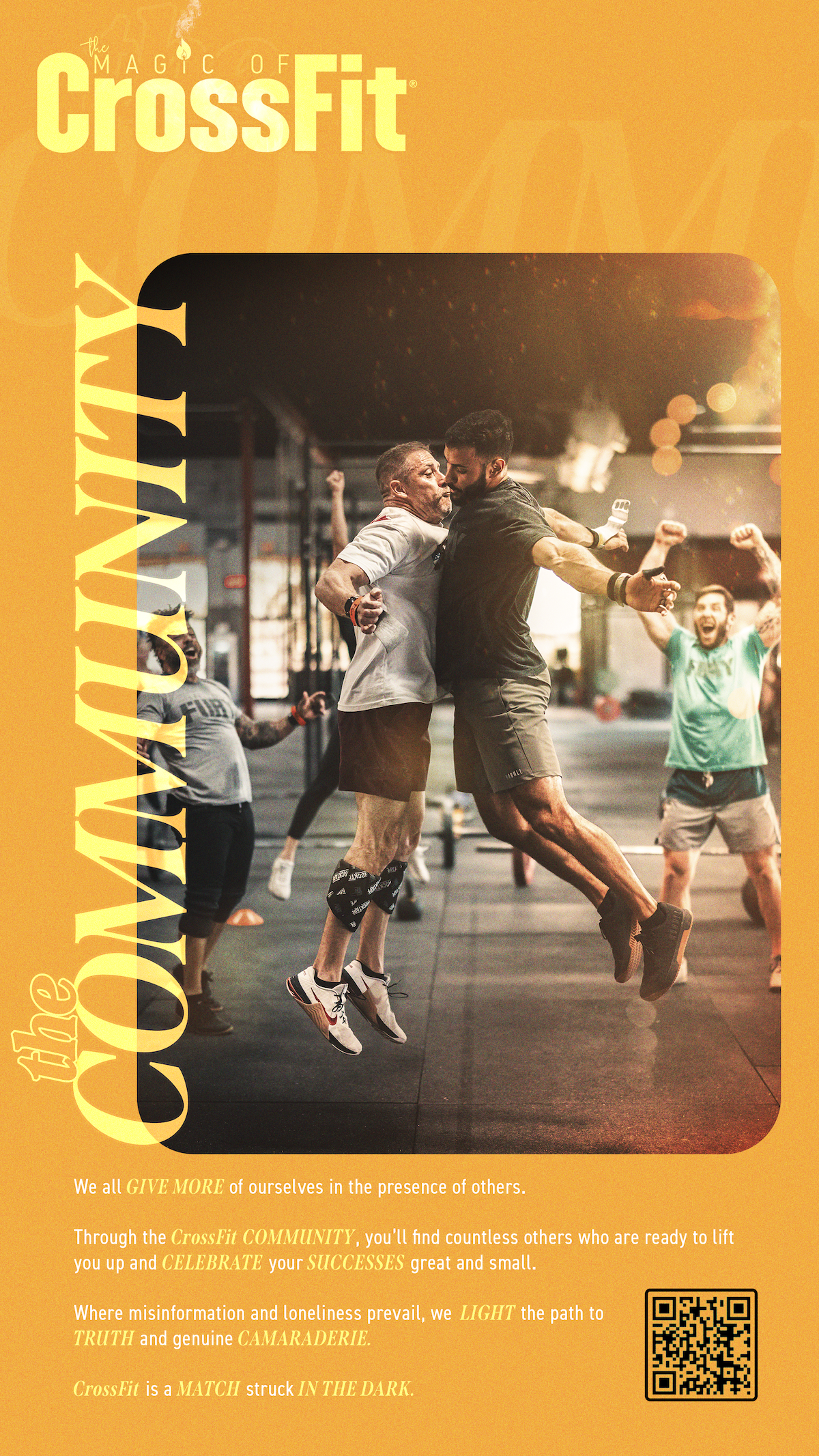
We often say CrossFit is about community.
It absolutely is.
But after nearly a decade of owning an affiliate, I think that description is incomplete.
An affiliate can be a place where you improve your health.
A place where you're educated.
A place where you develop confidence.
A place where you practice leadership.
A place where future coaches begin learning their craft.
A place where friendships develop between people who probably never would have met otherwise.
A place where someone notices when you're missing.
And sometimes, a place that simply becomes part of the rhythm of your life.
That's difficult to put into an advertisement.
It's also difficult to understand until you've experienced it.
The Workout Is the Beginning
We will always care about the workout at Warrior's Path CrossFit.
We care about good programming.
We care deeply about professional coaching.
We care about teaching movement well, scaling appropriately, and helping people become stronger, fitter, healthier, and more capable.
But those things create the opportunity for something bigger to happen.
You walk through the door to learn how to squat.
Then maybe you learn something about consistency.
You come because you want to lose weight.
Then maybe you discover what your body is capable of doing.
You join because you need a workout.
Then one day you realize you've found people who would notice if you weren't there.
And maybe that's the real CrossFit Effect.
The workout gets you through the door.
What happens after that can change far more than your fitness.
Take the Warrior's Path.
Previous WODs



Stop missing out
Lorem ipsum dolor sit amet, consectetur adipiscing elit, sed do eiusmod tempor incididunt ut labore et dolore magna aliqua.